
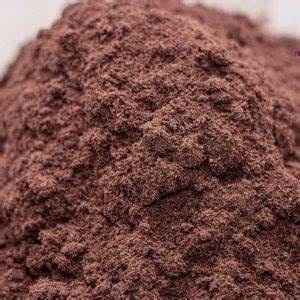
Mimosa Hostilis Root Bark Powder: Complete Educational Guide
Introduction
Mimosa hostilis is a perennial tree native to regions of South and Central America. Its root bark has been used for generations in traditional practices and is known for its rich composition of natural compounds.
Mimosa hostilis root bark powder is created by drying and grinding the root bark into a fine powder. It is widely discussed in botanical, cultural, and research contexts due to its unique properties and long history of traditional use.
What Is Mimosa Hostilis Root Bark Powder?
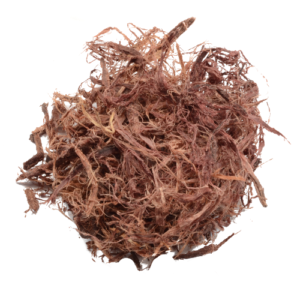
Mimosa hostilis root bark powder is derived from the inner root bark of the tree. The bark is carefully harvested, dried, and processed into a powder form.
This powder is valued for:
- Its natural tannin content
- Its deep reddish-purple color
- Its historical role in traditional applications
- Its plant-based compound profile
The powdered form makes it easier to handle and apply in various non-consumable and traditional contexts.
Natural Composition and Properties
Mimosa hostilis root bark contains a range of naturally occurring compounds, including:
- Tannins
- Flavonoids
- Alkaloids
- Antioxidant compounds
These components contribute to the plant’s long-standing use in traditional practices, particularly in skin-related applications and natural dyeing processes.
Traditional and Cultural Uses
For centuries, indigenous communities have used Mimosa hostilis in various ways:
1. Skin and Topical Applications
Traditionally, the bark has been used for:
- Supporting skin recovery
- Protecting damaged skin
- Traditional wound care practices
2. Natural Dye Production
The root bark produces a rich natural dye, often used for:
- Textile coloring
- Leather treatment
- Artistic and craft applications
3. Cultural Significance
In some cultures, Mimosa hostilis holds importance in:
- Traditional rituals
- Herbal knowledge systems
- Ethnobotanical practices
Modern Interest and Uses
Today, Mimosa hostilis root bark powder is discussed in:
- Herbal and botanical communities
- Natural skincare discussions
- Academic and ethnobotanical research
Its natural composition makes it appealing for those interested in plant-based materials and traditional knowledge.
Safety and Considerations
While Mimosa hostilis is a natural product, it is important to consider:
- Not all traditional uses are supported by modern scientific evidence
- Some compounds may have strong biological effects
- Proper identification and sourcing are important
- Misuse or misunderstanding of plant materials can carry risks
It is always recommended to approach botanical substances with caution and awareness.
Legal Status
The legal status of Mimosa hostilis varies depending on location and intended use.
- The plant itself may be legal in some regions
- Certain uses or processing methods may be restricted
- Regulations can change depending on jurisdiction
Understanding local laws is essential before engaging with any botanical material.
Scientific and Botanical Interest
Researchers study Mimosa hostilis for:
- Its chemical composition
- Potential antioxidant properties
- Traditional medicinal applications
- Ethnobotanical significance
While interest continues to grow, more research is needed to fully understand its potential uses and limitations.
FAQ About Mimosa Hostilis Root Bark Powder
1. What is Mimosa hostilis root bark powder?
It is a powdered form of the inner root bark of the Mimosa hostilis tree.
2. What is Mimosa hostilis used for?
Traditionally for skin applications, natural dyes, and cultural practices.
3. Is Mimosa hostilis safe?
It should be used with caution, as not all traditional uses are scientifically validated.
4. What makes Mimosa hostilis unique?
Its rich natural compounds, deep color, and long history of traditional use.
5. Is Mimosa hostilis legal?
Legality varies by country and intended use.
Conclusion
Mimosa hostilis root bark powder is a plant-based material with a long history of traditional use and growing interest in modern botanical discussions. Its natural composition, cultural importance, and versatility make it a subject of continued research and exploration.
At the same time, understanding its safety, legal status, and proper use is essential for responsible and informed engagement.
Reviews
There are no reviews yet.