
Introduction
MDMA is a synthetic psychoactive substance known for its effects on mood, emotional perception, and energy levels. One of the most commonly discussed forms of this substance is “MDMA crystal,” which refers to its crystalline or shard-like appearance.
MDMA crystal is widely associated with unregulated production, meaning its purity, strength, and composition can vary significantly. Because of this, it is often discussed in the context of harm reduction, public health, and drug safety awareness.
This guide provides an educational overview of MDMA crystal, including how it works, its effects, risks, and legal status.
What Is MDMA Crystal?
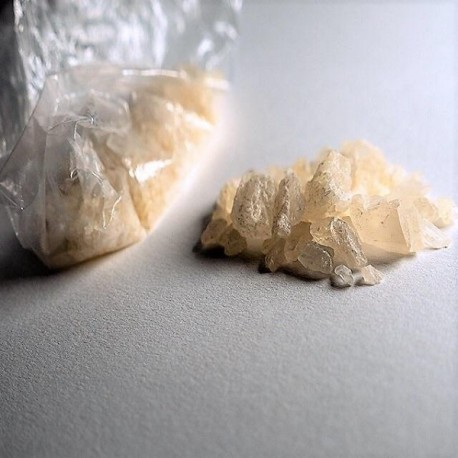
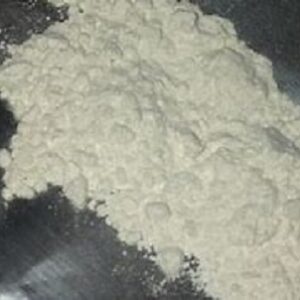
MDMA crystal refers to a physical form of MDMA that appears as crystalline chunks or powder-like fragments. It may be white, off-white, yellowish, or even brown depending on how it was produced and what impurities are present.
In unregulated environments, substances sold as MDMA crystal may not always contain pure MDMA. Instead, they can be mixed with other synthetic compounds, which increases unpredictability and risk.
Unlike pharmaceutical-grade substances used in research, street forms are not standardized and can vary widely in potency.
How MDMA Affects the Brain
MDMA primarily affects neurotransmitters in the brain, especially:
- Serotonin (mood, emotion, empathy)
- Dopamine (reward and pleasure)
- Norepinephrine (energy and alertness)
By increasing serotonin release, MDMA can temporarily enhance emotional bonding, mood elevation, and sensory perception.
However, this rapid release also depletes serotonin levels afterward, which contributes to post-use mood changes often referred to as a “comedown.”
Effects of MDMA Crystal
Psychological Effects
Users may experience:
- Euphoria and emotional warmth
- Increased empathy and sociability
- Enhanced sensory perception
- Altered sense of time
- Reduced fear or social anxiety
Physical Effects
Common physical responses include:
- Increased heart rate
- Sweating and overheating
- Jaw clenching or teeth grinding
- Dilated pupils
- Reduced appetite
- Dehydration risk
Effects usually begin within 30–60 minutes and last several hours depending on dose and purity.
Risks and Health Concerns
MDMA crystal use carries significant risks, especially because of its unregulated nature.
1. Unknown Purity
One of the biggest dangers is that substances sold as MDMA crystal may contain:
- Other synthetic stimulants
- Toxic adulterants
- Incorrect dosage levels
This makes effects unpredictable and potentially dangerous.
2. Overheating and Dehydration
MDMA can disrupt the body’s temperature regulation, increasing the risk of:
- Hyperthermia (dangerously high body temperature)
- Severe dehydration
- Electrolyte imbalance
3. Psychological Effects
Some users may experience:
- Anxiety or panic
- Confusion
- Mood swings after use
- Depression-like symptoms during comedown
4. Long-Term Risks
Frequent or heavy use may be associated with:
- Memory issues
- Mood instability
- Sleep disturbances
- Reduced serotonin function over time
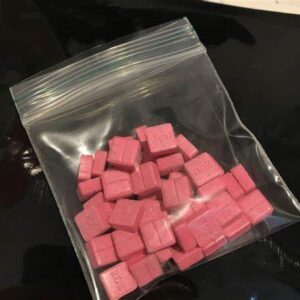
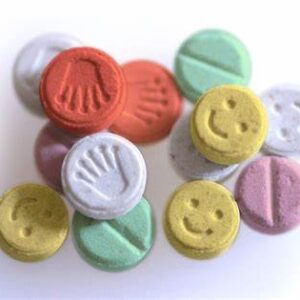
Why MDMA Crystal Appearance Varies
MDMA crystal can look different depending on:
- Manufacturing methods
- Chemical impurities
- Cutting agents
- Storage conditions
Color alone does not determine safety or purity. Even visually “clean” crystals may contain unknown substances.
Medical Research on MDMA
In controlled clinical settings, MDMA is being studied for potential therapeutic use, especially in psychotherapy research.
Areas of interest include:
- Post-traumatic stress disorder (PTSD)
- Trauma processing therapy
- Anxiety-related disorders
In these studies, pharmaceutical-grade MDMA is used under strict supervision. This is very different from unregulated street substances.
Legal Status
MDMA is classified as a controlled substance in most countries. This means:
- Possession is illegal in many regions
- Distribution is strictly prohibited
- Penalties vary depending on jurisdiction
Because of its classification, MDMA crystal is not legally available outside approved research contexts.
Harm Reduction Awareness
Educational discussions about MDMA often focus on harm reduction principles such as:
- Understanding risks of unknown substances
- Recognizing signs of overheating or distress
- Awareness of mental health effects
- Importance of medical help in emergencies
The goal of harm reduction is safety awareness and prevention of serious health outcomes.
FAQ About MDMA Crystal
1. What is MDMA crystal?
It is a crystalline form of MDMA, a synthetic psychoactive substance.
2. Is MDMA crystal pure?
Not always. Unregulated forms may contain other substances.
3. What does MDMA do?
It affects serotonin and can produce euphoria and emotional openness.
4. Is MDMA safe?
It carries significant health risks, especially outside controlled environments.
5. Is MDMA legal?
It is illegal in most countries.
Conclusion
MDMA crystal is a form of a powerful psychoactive substance that affects mood, perception, and emotional processing. While it is being studied for potential therapeutic applications in controlled medical environments, unregulated forms carry serious risks due to unknown purity and legal restrictions.
Understanding its effects, risks, and scientific context is essential for responsible awareness and harm reduction.
Reviews
There are no reviews yet.