
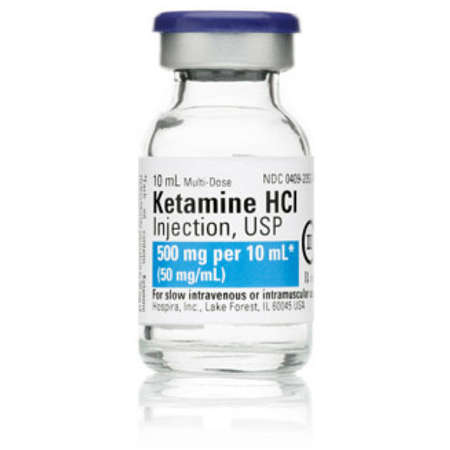
Ketamine HCl: Complete Educational Guide
Introduction
Ketamine hydrochloride (commonly known as ketamine HCl) is a medically used form of ketamine, a dissociative anesthetic that has been used in healthcare for decades. It is primarily administered in hospitals and clinical environments for anesthesia, pain management, and in some cases, mental health treatment under strict supervision.
This article explains what ketamine HCl is, how it works, its effects, risks, and legal classification.
What Is Ketamine HCl?
Ketamine Hydrochloride is the hydrochloride salt form of ketamine, designed for medical stability and safe administration in clinical environments.
It is commonly used in:
- Hospitals (general anesthesia)
- Emergency medicine
- Veterinary anesthesia
- Controlled psychiatric treatment programs
Ketamine HCl is typically administered via injection or infusion in medical settings.
How Ketamine HCl Works in the Brain
Ketamine works differently from most antidepressants and sedatives. Instead of acting on serotonin, it primarily affects the glutamate system, especially NMDA receptors.
This leads to:
- Reduced neural signal activity in certain brain regions
- Dissociation (separation of mind and body perception)
- Increased synaptic plasticity (brain adaptability)
- Rapid changes in mood regulation pathways
These effects are being studied for their role in treatment-resistant depression.
Medical Uses of Ketamine HCl
Ketamine HCl is widely used in modern medicine for:
1. Anesthesia
- Surgical procedures
- Emergency trauma care
- Short medical procedures requiring sedation
2. Pain Management
- Severe acute pain
- Chronic pain in controlled settings
3. Mental Health Treatment (Specialized Use)
In some clinical environments, ketamine is used for:
- Treatment-resistant depression
- Suicidal ideation management (short-term support)
A related approved medication is:
Esketamine (Spravato)
Effects of Ketamine HCl
Ketamine affects both body and mind, especially at anesthetic or sub-anesthetic doses.
Psychological Effects
- Dissociation or detachment
- Dream-like or altered perception
- Changes in awareness of time and space
- Emotional numbing or relief
Physical Effects
- Sedation
- Dizziness
- Increased heart rate
- Temporary loss of coordination
In medical settings, these effects are closely monitored.
Duration of Effects
The duration depends on how it is administered:
- Onset: Within minutes (injection/IV)
- Peak: 15–30 minutes
- Recovery: 1–2 hours in clinical environments
Risks and Side Effects
While ketamine HCl is medically valuable, it can cause side effects:
- Confusion or disorientation
- Nausea or vomiting
- Elevated blood pressure
- Hallucinations or distressing experiences
- Potential dependency with misuse
Long-term unsupervised exposure may lead to serious health complications.
Legal Status
Ketamine HCl is a controlled prescription medication in most countries. It is legally available only through licensed medical professionals and approved healthcare facilities.
Unauthorized possession or distribution is illegal in many jurisdictions.
Why Ketamine Is Important in Medicine
Ketamine is considered a breakthrough medication because:
- It works rapidly compared to traditional antidepressants
- It is useful in emergency psychiatric care
- It provides an alternative pathway for treatment-resistant conditions
- It helps researchers understand brain plasticity and mood disorders
Ongoing clinical trials continue to explore its broader therapeutic potential.
FAQ About HCl
1. What is HCl used for?
It is used for anesthesia, pain management, and controlled psychiatric treatment.
2. Is HCl the same as ketamine?
Ketamine HCl is the medical salt form used in clinical settings.
3. Is HCl safe?
It is safe when used under medical supervision.
4. What does HCl feel like?
It may cause sedation, dissociation, and altered perception.
5. Is ketamine legal?
Yes, but only as a prescription medication in regulated medical environments.
Conclusion
Ketamine HCl is a medically important anesthetic with expanding applications in mental health research. While it has powerful effects on the brain, it is strictly regulated due to its potency and potential risks. Its role in modern medicine continues to grow, especially in treatment-resistant psychiatric conditions.

Reviews
There are no reviews yet.