
Introduction
Mimosa hostilis, commonly referred to as Jurema Preta, is a perennial tree native to regions of South America, particularly Brazil and Mexico. The inner root bark of this plant has been used for centuries in traditional practices and is valued for its unique natural composition and cultural significance.
Mimosa hostilis inner root bark is especially recognized for its deep reddish-purple color and its role in various botanical and traditional applications. Today, it continues to attract attention in herbal, cosmetic, and ethnobotanical communities.
What Is Mimosa Hostilis Inner Root Bark?
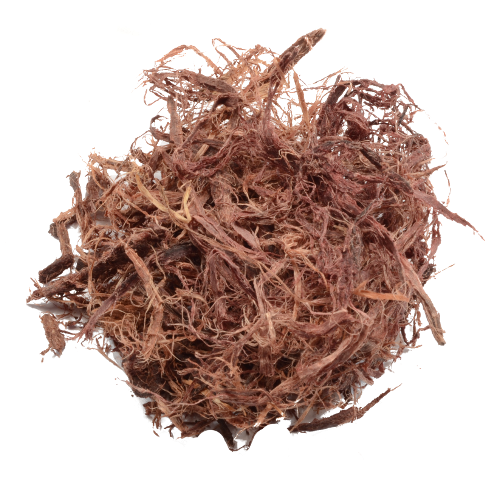
The inner root bark refers to the layer beneath the outer bark of the Mimosa hostilis root. This part of the plant contains a concentrated profile of natural compounds, making it the most sought-after portion for traditional uses.
Once harvested, the bark is typically:
- Carefully stripped from the root
- Dried to preserve its properties
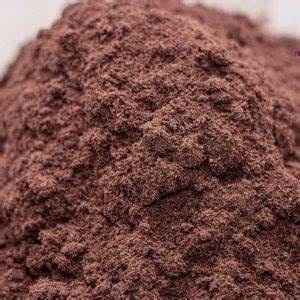
- Shredded or ground into powder
This processed form allows for easier use in various applications such as natural dyeing and botanical preparations.
Natural Composition and Properties
Mimosa hostilis inner root bark is rich in naturally occurring compounds, including:
- Tannins
- Flavonoids
- Alkaloids
- Antioxidants
These compounds contribute to its long-standing use in traditional practices. The high tannin content, in particular, is associated with its astringent and protective qualities.
Its vibrant color also makes it valuable for natural dyeing, producing shades ranging from deep red to purple.
Traditional Uses of Jurema Preta
1. Skin and Topical Applications
Historically, indigenous communities have used Mimosa hostilis inner root bark for skin-related purposes. It has been applied in traditional settings to:
- Support skin recovery
- Protect damaged or sensitive areas
- Promote natural healing processes
These uses are part of longstanding herbal traditions passed down through generations.
2. Natural Dye and Textile Use
One of the most well-known uses of Jurema Preta is as a natural dye. The inner root bark produces a strong pigment that is used for:
- Textile dyeing
- Leather treatment
- Artistic and craft applications
Its durability and intensity make it a preferred natural dye source in many regions.
3. Cultural and Ethnobotanical Significance
Jurema Preta holds cultural importance in certain traditional communities. It has been associated with:
- Spiritual practices
- Ritualistic uses
- Traditional knowledge systems
Its role extends beyond physical applications, reflecting a deeper connection between plants and cultural identity.
Modern Interest and Applications
In modern times, Mimosa hostilis inner root bark has gained attention in:
- Herbal and botanical research
- Natural skincare discussions
- Sustainable and eco-friendly product development
- Academic ethnobotany studies
Its plant-based origin and versatility make it appealing in discussions about natural alternatives and traditional knowledge.
Safety and Considerations
While Mimosa hostilis is a natural product, several important considerations should be kept in mind:
- Not all traditional uses are supported by scientific research
- Some compounds may have strong biological effects
- Proper identification and sourcing are essential
- Misuse or improper handling can pose risks
It is important to approach all botanical materials with awareness and responsibility.
Legal Status
The legal status of Mimosa hostilis inner root bark varies depending on country and intended use.
- The plant itself may be legal in many regions
- Certain applications or processing methods may be restricted
- Regulations can change over time
Understanding local laws is essential before using or researching this plant.
Scientific and Botanical Research
Researchers are increasingly studying Mimosa hostilis for its:
- Chemical composition
- Antioxidant properties
- Potential applications in natural products
- Role in traditional medicine systems
Although interest is growing, more scientific research is needed to fully validate many traditional claims.
FAQ About Mimosa Hostilis Inner Root Bark
1. What is Mimosa hostilis inner root bark?
It is the inner layer of the root bark from the Mimosa hostilis tree, known for its rich natural compounds.
2. What is Jurema Preta?
Jurema Preta is the traditional name for Mimosa hostilis in parts of South America.
3. What is it used for?
Traditionally for skin applications, natural dyes, and cultural practices.
4. Is Mimosa hostilis safe?
It should be used with caution, as not all uses are scientifically validated.
5. Is it legal?
Legality varies depending on location and intended use.Jurema Preta
Conclusion
Mimosa hostilis inner root bark, or Jurema Preta, is a plant material with deep cultural roots and diverse traditional applications. Its rich composition, vibrant color, and historical significance make it a valuable subject in both traditional and modern contexts.
As interest continues to grow, understanding its properties, uses, and safety considerations is essential for responsible and informed engagement.
Reviews
There are no reviews yet.