
Introduction
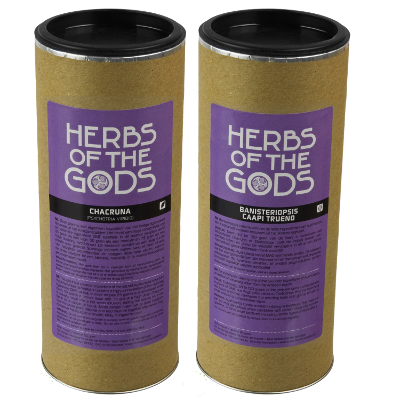
Banisteriopsis caapi and Psychotria viridis are two of the primary plants traditionally used to prepare ayahuasca, a psychoactive brew with deep roots in Amazonian indigenous cultures.
For centuries, these plants have been used in ceremonial and spiritual practices by indigenous communities in South America. Today, they are also the subject of growing scientific and cultural interest worldwide.
This guide explores what these plants are, how they are traditionally used, their effects, and important safety considerations.
What Is Banisteriopsis Caapi?
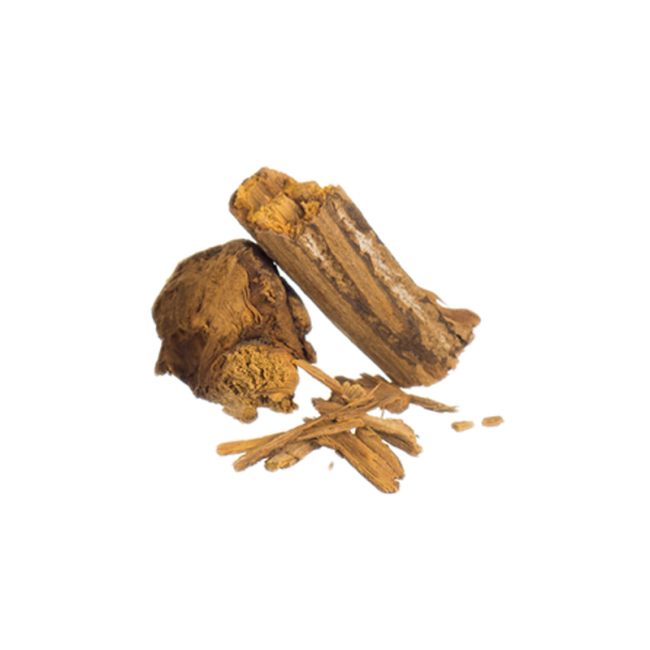
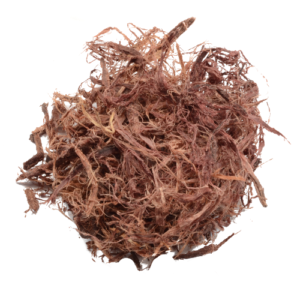
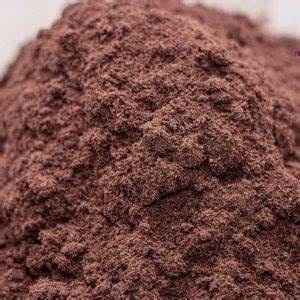
Banisteriopsis caapi is a jungle vine native to the Amazon rainforest. It is often considered the foundation of ayahuasca preparations due to its unique chemical properties.
The vine contains compounds known as harmala alkaloids, including:
- Harmine
- Harmaline
- Tetrahydroharmine
These compounds act as monoamine oxidase inhibitors (MAOIs), which play a crucial role in how the brew affects the body.
Traditionally, the vine is:
- Harvested from the forest
- Cleaned and pounded
- Boiled for extended periods
What Is Chacruna (Psychotria viridis)?
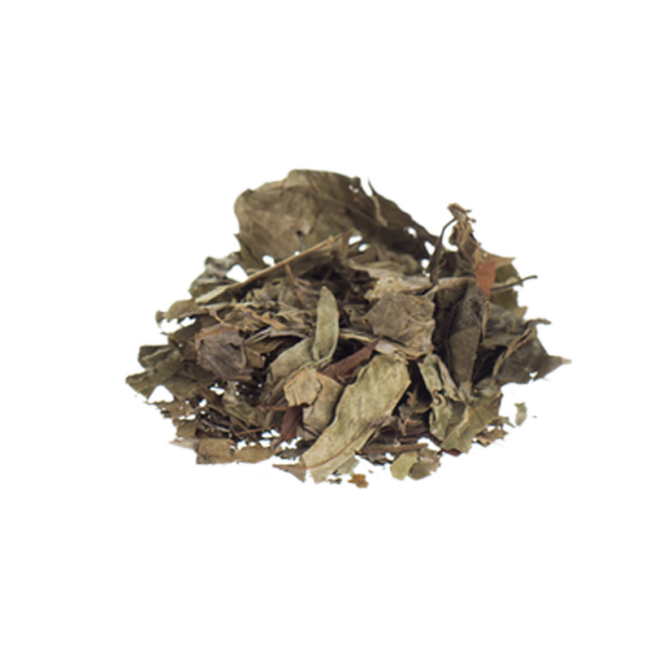
Chacruna, scientifically known as Psychotria viridis, is a leafy plant also native to the Amazon.
It is known for containing DMT (N,N-Dimethyltryptamine), a powerful psychedelic compound.
On its own, DMT is not orally active. However, when combined with Banisteriopsis caapi, the MAO-inhibiting properties of the vine allow DMT to become active in the body.
This synergy is what creates the traditional ayahuasca experience.
How These Plants Work Together
The interaction between Banisteriopsis caapi and chacruna is a well-known example of plant synergy.
- Banisteriopsis caapi → Provides MAO inhibitors
- Chacruna → Provides DMT
Together, they allow the psychoactive effects to occur when consumed in traditional preparations.
This combination has been studied as an example of indigenous botanical knowledge and biochemical interaction.
Traditional and Cultural Use
Ayahuasca ceremonies are deeply rooted in indigenous traditions, particularly in countries such as Peru, Brazil, and Colombia.
These ceremonies are often guided by experienced practitioners and are used for:
- Spiritual exploration
- Healing practices
- Personal insight
- Cultural rituals
The experience is considered sacred and is conducted within a structured ceremonial environment.
Effects of Ayahuasca Plants
The effects associated with these plants can be intense and long-lasting.
Psychological Effects
- Altered perception of reality
- Visual imagery and dream-like experiences
- Deep introspection
- Emotional release
Physical Effects
- Nausea and vomiting (often considered part of the process in traditional contexts)
- Increased heart rate
- Sensitivity to surroundings
- Fatigue
Experiences can vary widely depending on the individual and environment.
Duration of Effects
- Onset: 30–60 minutes
- Peak: 2–6 hours
- Total duration: 4–8 hours (sometimes longer)
After-effects may include emotional reflection or mental clarity.
Safety and Risks
Despite its traditional use, ayahuasca carries important risks:
- Interaction with medications (especially antidepressants)
- Psychological distress or anxiety
- Physical discomfort (nausea, vomiting)
- Potential cardiovascular effects
Because of these risks, traditional use is typically conducted under experienced supervision.
Legal Status
The legal status of ayahuasca and its ingredients varies globally:
- Permitted in some countries for religious use
- Restricted or illegal in others
- Regulated differently depending on region
Understanding local laws is essential.
Scientific and Global Interest
In recent years, ayahuasca has gained attention in research for its potential role in:
- Mental health studies
- Addiction research
- Neuroscience and consciousness
However, research is still ongoing, and findings are not yet conclusive.
FAQ About Banisteriopsis Caapi & Chacruna
1. What are Banisteriopsis caapi and chacruna?
They are Amazonian plants traditionally used together in ayahuasca preparations.
2. Why are both plants used together?
Banisteriopsis caapi enables the effects of DMT found in chacruna to become active when consumed.
3. What does ayahuasca feel like?
It can produce intense psychological and emotional experiences, often described as introspective or visionary.
4. Are these plants safe?
They carry risks and should only be approached with caution in appropriate contexts.
5. Is ayahuasca legal?
Legality varies by country and region.
Conclusion
Banisteriopsis caapi and chacruna are central to traditional Amazonian practices and represent a unique combination of botanical knowledge and cultural heritage. While they are increasingly studied worldwide, they also come with significant risks and legal considerations.
Understanding their traditional use, effects, and safety is essential for informed and responsible awareness.

Reviews
There are no reviews yet.