
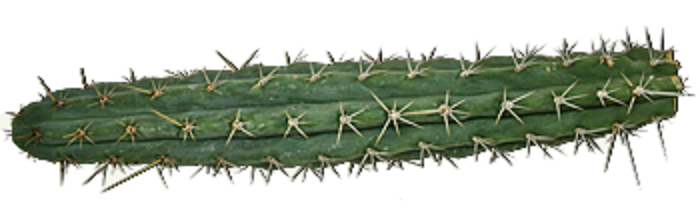
Peruvian Torch Cactus (Echinopsis peruviana) – Complete Botanical Guide
The Peruvian Torch Cactus (Echinopsis peruviana) is a fast-growing columnar cactus native to the high-altitude regions of the Andes Mountains in Peru. Known for its tall, ribbed structure and striking blue-green appearance, this cactus is widely appreciated by collectors and botanical enthusiasts across the United States (USA), United Kingdom (UK), Germany, France, Netherlands, Spain, Italy, Switzerland, Sweden, and other parts of Europe.
Its dramatic vertical growth and resilience in harsh environments make it one of the most recognizable ornamental cacti in the world.
What is the Peruvian Torch Cactus?
The Peruvian Torch Cactus belongs to the Echinopsis genus and is known for its tall, multi-ribbed columns that can grow several meters high in ideal conditions. It is a hardy cactus species that thrives in dry, high-altitude environments with strong sunlight and well-draining soil.
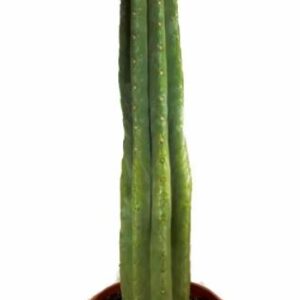
Key characteristics include:
- Tall, columnar growth structure
- Blue-green to bright green coloration
- Prominent vertical ribs
- Small spines along the ribs
- Night-blooming white flowers (in mature plants)
This cactus is often grown for ornamental and landscaping purposes due to its striking architectural form.
Natural Habitat and Distribution
Echinopsis peruviana is native to the Andean regions of Peru, where it grows at high elevations in rocky, arid landscapes. These environments are characterized by:
- Strong sunlight exposure
- Low rainfall
- Cool nighttime temperatures
- Rocky, mineral-rich soil
In cultivation, the Peruvian Torch Cactus has become popular worldwide, especially in Europe and North America, where cactus collectors and botanical gardens maintain diverse cactus collections.
Physical Characteristics
The Peruvian Torch Cactus is easily identified by its distinctive structure:
1. Growth Form
It grows vertically in tall columns, often branching over time to form multiple arms.
2. Color
The cactus typically displays a blue-green waxy coating that helps protect it from intense sunlight and water loss.
3. Ribs and Spines
It features multiple ribs running vertically along the stem, with small clusters of spines spaced evenly along the ridges.
4. Flowers
Mature plants can produce large, white flowers that bloom at night and are short-lived but visually striking.
Growth Rate and Development
The Peruvian Torch Cactus is considered a relatively fast-growing cactus compared to many other species.
- Can grow several centimeters per year
- May reach several meters in height over time
- Develops branching columns as it matures
- Requires stable conditions for optimal growth
Its rapid vertical development makes it a favorite among collectors looking for architectural plant forms.
Ideal Growing Conditions
To successfully grow a Peruvian Torch Cactus, it is important to replicate its natural environment as closely as possible.
Light Requirements
- Full sun is ideal
- Requires strong, direct sunlight for healthy growth
- Can tolerate partial shade but grows slower
Soil Requirements
- Well-draining cactus soil
- Sandy or rocky substrate preferred
- Avoid moisture-retaining soil mixes
Watering
- Water sparingly
- Allow soil to dry completely between watering cycles
- Reduce watering significantly in colder months
Temperature
- Prefers warm to hot climates
- Can tolerate cooler nights but not frost
- Best growth occurs in stable warm conditions
Care Guide for Healthy Growth
Proper care ensures strong and healthy development:
- Use terracotta pots for better drainage
- Avoid overwatering at all costs
- Rotate plant occasionally for even sun exposure
- Fertilize lightly during active growing season
- Ensure good airflow around the plant
With correct care, the Peruvian Torch Cactus can live for decades and become a striking centerpiece in any cactus collection.
Uses and Popularity
The Peruvian Torch Cactus is widely cultivated for:
- Ornamental cactus collections
- Desert landscaping projects
- Botanical garden displays
- Indoor cactus growing (young plants)
- Educational botanical studies
Its popularity is especially strong in the USA, UK, Germany, France, Spain, Netherlands, and broader European horticultural communities.
Common Growing Challenges
While generally hardy, growers may encounter some challenges:
- Overwatering leading to root rot
- Insufficient sunlight causing weak growth
- Frost damage in cold climates
- Pest infestations in poorly ventilated environments
Proper environmental control helps prevent most issues.
Ecological and Botanical Importance
Echinopsis peruviana plays an important role in understanding high-altitude desert ecosystems. It demonstrates how plants adapt to:
- Extreme sunlight exposure
- Low water availability
- Rocky, nutrient-poor soils
- Temperature fluctuations between day and night
Botanical researchers in Europe and North America continue to study this species for its adaptive traits and ecological resilience.
Conclusion
The Peruvian Torch Cactus (Echinopsis peruviana) is a visually striking and resilient cactus species admired for its tall columnar form, rapid growth, and adaptability. Found naturally in the Andes but cultivated worldwide, it is especially popular among cactus enthusiasts in the USA and Europe.
With proper care, sunlight, and well-draining soil, this cactus can thrive for many years, making it a valuable addition to any botanical or ornamental plant collection.
Reviews
There are no reviews yet.