
Peyote Seeds (Lophophora williamsii) – Complete Botanical Guide
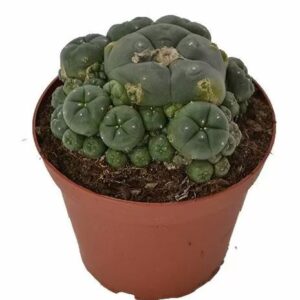
Peyote seeds (Lophophora williamsii) are the reproductive units of one of the most well-known and scientifically studied cactus species in the world. These tiny seeds are of great interest to botanists, cactus growers, and researchers due to the plant’s extremely slow growth rate and unique adaptation to harsh desert environments.buy peyote seeds
Native to arid regions of North America, Lophophora williamsii has become widely recognized in botanical circles across the United States (USA), United Kingdom (UK), Germany, France, Netherlands, Spain, Italy, Switzerland, Sweden, and other parts of Europe, where cactus cultivation and desert plant research are popular fields of study.
What Are Peyote Seeds?
Peyote seeds are extremely small, dark-colored seeds produced by mature Lophophora williamsii plants after flowering. Each seed contains the genetic material needed to grow a new cactus, although the process is slow and requires carefully controlled conditions.buy peyote seeds
Key characteristics include:
- Very small size (often just a few millimeters or less)
- Dark brown to black coloration
- Hard outer shell for protection
- High sensitivity to moisture and environmental changes
- Slow and inconsistent germination behavior
Because of these traits, successful cultivation requires patience and stable growing conditions.
Natural Habitat and Botanical Context
In the wild, Lophophora williamsii grows in dry, rocky, and mineral-rich soils. These environments are typically found in desert regions with:
- Low annual rainfall
- High daytime temperatures
- Cool nighttime temperatures
- Well-draining limestone or calcareous soils
Although native to North America, interest in peyote seeds extends globally, especially in Europe and the USA, where botanical gardens, cactus enthusiasts, and research institutions study slow-growing desert plants.buy peyote seeds
Germination Process of Peyote Seeds
Germinating peyote seeds is a delicate process that requires controlled environmental conditions. Unlike fast-growing plants, these seeds can take weeks or even months to sprout.buy peyote seeds
1. Soil Preparation
A proper substrate is essential for success:
- Mineral-based cactus soil
- Sand, pumice, or fine gravel
- Very low organic matter content
Good drainage is critical to prevent fungal issues.
2. Moisture Control
- Soil should remain lightly moist during germination
- Overwatering must be avoided
- A humid but not wet environment is ideal
Excess moisture is one of the most common causes of failure.
3. Temperature Requirements
- Warm and stable temperatures are preferred
- Sudden temperature changes can reduce germination rates
- Consistency is more important than extreme heat
4. Light Conditions
- Indirect light is best for germination
- Direct sunlight should be avoided for young seedlings
- Gentle light encourages steady early growth
Growth Stages of Lophophora williamsii
The development of peyote from seed is extremely slow and occurs in several stages:
Stage 1: Germination
Seeds begin to sprout tiny green structures under controlled humidity and warmth. This stage may take several weeks.buy peyote seeds
Stage 2: Seedling Stage
Seedlings are extremely fragile and small. They require stable humidity, minimal disturbance, and careful environmental control.
Stage 3: Juvenile Growth
After months to years, the cactus begins forming its rounded shape and rib structure. Growth remains very slow.
Stage 4: Mature Plant
Full maturity may take many years or even decades. Growth is typically measured in millimeters per year.buy peyote seeds
Ideal Cultivation Conditions
To support healthy growth, peyote seedlings require:
Soil
- Highly mineral, well-draining cactus mix
- Low organic content
- Excellent aeration
Watering
- Minimal and controlled watering
- Soil must fully dry between cycles
- Overwatering must be strictly avoided
Temperature
- Warm and dry conditions
- Protection from frost and cold climates
Humidity
- High humidity during germination
- Reduced humidity as plants mature
Challenges in Growing Peyote from Seeds
Cultivating peyote seeds is considered difficult due to:
- Extremely slow germination rates
- High sensitivity to fungal contamination
- Long development timelines
- Need for consistent environmental control
- Fragility of seedlings in early stages
Because of these factors, cultivation is generally undertaken by experienced cactus growers and botanical researchers.buy peyote seeds
Botanical Importance of Peyote Seeds
Peyote seeds are important in scientific and botanical studies because they help researchers understand:
- Adaptation of plants to extreme desert climates
- Slow-growth survival strategies
- Genetic diversity within cactus species
- Long-term ecological resilience
Institutions and cactus communities across the USA and Europe continue to study these plants for educational and conservation purposes.buy peyote seeds
Conservation Awareness
Due to slow growth and environmental pressures, Lophophora williamsii is considered sensitive in its natural habitat. Conservation efforts emphasize:
- Protection of native ecosystems
- Ethical cultivation practices
- Avoidance of wild harvesting
- Support for botanical propagation programs
These efforts are especially active in Europe and North America.buy peyote seeds
Conclusion
Peyote seeds (Lophophora williamsii) represent one of the most fascinating subjects in cactus botany. Their extremely slow germination, delicate early development, and long lifecycle make them highly valuable for scientific study and botanical education.
Across the USA, UK, Germany, France, Netherlands, Spain, and wider Europe, these seeds continue to attract interest from researchers and cactus enthusiasts focused on understanding desert plant survival and adaptation.
Reviews
There are no reviews yet.