
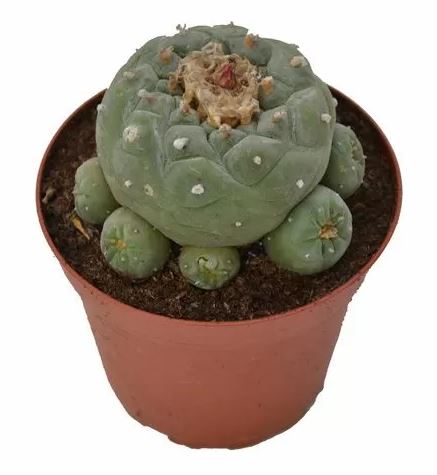
Peyote decipiens – Lophophora decipiens (Botanical Overview)
Peyote decipiens, scientifically known as Lophophora decipiens, is a lesser-known and often debated member of the Lophophora genus. It is closely related to other species such as Lophophora williamsii, but it is distinguished by subtle differences in morphology, rib structure, and growth patterns.Peyote cactus lophophora williamsii
This cactus is of interest to botanists, researchers, and cactus enthusiasts across regions such as the United States (USA), United Kingdom (UK), Germany, France, Netherlands, Spain, Italy, Switzerland, Sweden, and broader European botanical communities, where rare cactus species are studied and cultivated for scientific and horticultural purposes.
What is Lophophora decipiens?
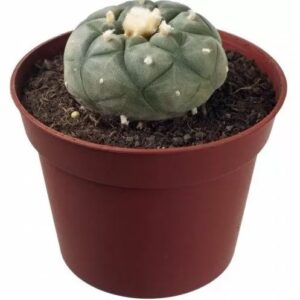
Lophophora decipiens is a small, spineless cactus belonging to the Cactaceae family. The term “decipiens” refers to its somewhat variable or “deceptive” appearance, as it can resemble other Lophophora species depending on environmental conditions.Peyote cactus lophophora williamsii
Key characteristics include:
- Small, rounded cactus body (“button” shape)
- Blue-green to grey-green coloration
- Slightly more irregular rib formation compared to L. williamsii
- Slow and compact growth habit
- Smooth, spineless surface
Because of its subtle differences, Lophophora decipiens is sometimes debated in botanical classification, with some experts considering it a variant rather than a fully separate species.
Natural Habitat and Distribution
Lophophora species are native to arid and semi-arid regions of North America. While Lophophora decipiens is not as widely documented in the wild as other species, it is associated with similar desert environments characterized by:
- Rocky, limestone-rich soils
- Low annual rainfall
- High daytime temperatures and cool nights
- Sparse vegetation
Interest in this species has grown internationally, especially in botanical circles in the USA and Europe, where collectors and researchers study its variation and growth patterns.Peyote cactus lophophora williamsii
Morphological Features
Lophophora decipiens shares many traits with other members of its genus but has subtle distinguishing features:
1. Body Structure
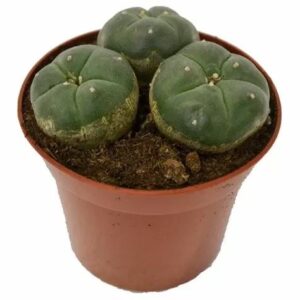
The cactus has a rounded, flattened appearance, typically divided into irregular ribs that may be less symmetrical than those of L. williamsii.
2. Coloration
Its surface ranges from pale green to bluish-green, often influenced by light exposure and soil minerals.
3. Growth Pattern
It grows extremely slowly, forming a compact, low-profile structure over many years.
4. Flowers
Like other Lophophora species, it can produce small, delicate flowers that are typically pink or light-colored under favorable conditions.Peyote cactus lophophora williamsii
Taxonomic Debate
One of the most interesting aspects of Lophophora decipiens is its taxonomic status. Some botanists argue that:
- It may be a natural variation of Lophophora williamsii
- Differences are too subtle to classify it as a separate species
- Environmental factors may heavily influence its morphology
Others maintain that consistent structural differences justify its classification as a distinct species. This ongoing debate makes it a subject of interest in botanical research across Europe and the USA.Peyote cactus lophophora williamsii
Cultivation Conditions (General Botanical Care)
Like other Lophophora species, Lophophora decipiens requires specific environmental conditions to thrive in cultivation settings.
Light
- Prefers bright, indirect sunlight
- Can tolerate partial shade
- Protection from intense midday sun is recommended
Soil
- Well-draining mineral-rich cactus soil
- High proportion of sand, pumice, or gravel
- Avoid organic-heavy soils that retain moisture
Watering
- Very minimal watering required
- Allow soil to dry completely between watering
- Overwatering can cause root damage
Temperature
- Prefers warm, dry conditions
- Sensitive to frost and prolonged cold exposure
Growth Rate and Longevity
Lophophora decipiens is extremely slow-growing, even by cactus standards. Growth is often measured in millimeters per year.
- Seedlings take many years to mature
- Mature plants develop very gradually
- Lifespan can extend for decades under proper conditions
This slow development is typical of desert-adapted cacti and contributes to their resilience in harsh environments.Peyote cactus lophophora williamsii
Botanical Significance
Lophophora decipiens is valuable to botanical study because it helps researchers understand:
- Variation within cactus species
- Adaptation to arid ecosystems
- Morphological diversity in slow-growing plants
- Evolutionary relationships within the Lophophora genus
Botanical institutions and cactus enthusiasts in the USA, UK, Germany, France, Spain, Netherlands, and other parts of Europe continue to study these variations for scientific classification and conservation understanding.
Conservation and Ethical Considerations
Many Lophophora species face pressure in their natural habitats due to:
- Habitat loss
- Over-collection
- Slow natural regeneration
As a result, there is increasing emphasis on:
- Conservation of wild populations
- Ethical cultivation practices
- Seed-grown propagation rather than wild harvesting
These efforts are especially active in botanical communities across Europe and North America.Peyote cactus lophophora williamsii
Conclusion
Lophophora decipiens (Peyote decipiens) is a fascinating and somewhat enigmatic cactus species within the Lophophora genus. Its subtle morphological differences, slow growth, and taxonomic debate make it an important subject in botanical research.
Across the USA and Europe, interest in this plant continues to grow among researchers and cactus enthusiasts who value its uniqueness and ecological significance.Peyote cactus lophophora williamsii
Reviews
There are no reviews yet.