
Peyote Cluster – Lophophora williamsii (Botanical Overview & Global Interest)
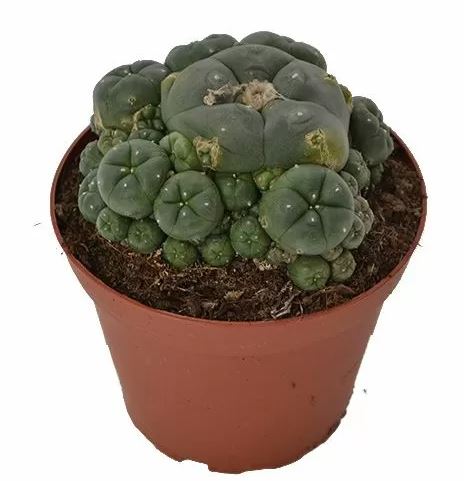
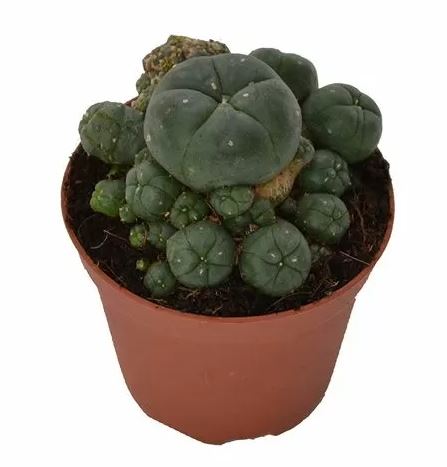
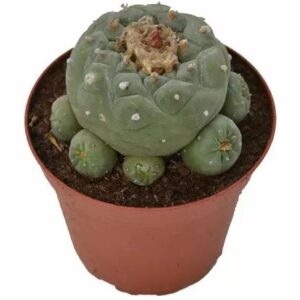
Peyote Cluster (Lophophora williamsii) refers to a distinctive growth form of the cactus species Lophophora williamsii, where multiple crowns or “heads” develop from a single root system. This clustered structure is especially interesting to cactus enthusiasts and botanical collectors across regions such as the United States (USA), United Kingdom (UK), Germany, France, Netherlands, Spain, Italy, Switzerland, Sweden, and other parts of Europe.
The plant is widely studied and admired for its slow growth, resilience, and unique morphology. In clustered form, Peyote becomes even more visually striking and botanically significant.
What Is Peyote Cluster (Lophophora williamsii)?
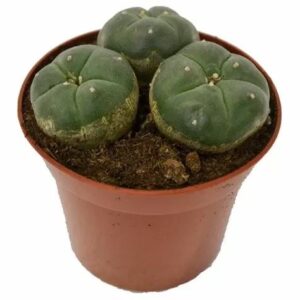
A Peyote Cluster occurs when a single Lophophora williamsii cactus develops multiple growth points over time. These heads emerge from the same root system, forming a unified plant with several rounded crowns.
This clustering can be observed in mature specimens or in cultivated environments where conditions allow long-term stable growth.
Key characteristics include:
- Multiple rounded “buttons” or heads
- Shared underground root system
- Smooth, spineless surface
- Blue-green to grey-green coloration
- Extremely slow development over time
Collectors in the USA and across Europe often value this formation due to its rarity and aesthetic appeal.
Natural Distribution and Global Botanical Interest
Lophophora williamsii is native to arid regions of North America, but its botanical significance has led to worldwide interest.
Today, Peyote Cluster specimens are studied and appreciated in:
- USA (United States)
- UK (United Kingdom)
- Germany
- France
- Netherlands
- Spain
- Italy
- Switzerland
- Sweden
- Other European botanical communities
Botanical gardens, cactus enthusiasts, and researchers across these regions study the plant for its unique adaptations to extreme desert environments.
How Peyote Clusters Develop
Cluster formation in Lophophora williamsii is a slow and gradual process. It may occur due to several natural factors:
1. Age of the Plant
Older plants are more likely to develop multiple heads over time.
2. Stable Growing Conditions
Consistent temperature, light, and soil conditions encourage steady growth and occasional branching.
3. Genetic Traits
Some specimens naturally have a higher tendency to produce multiple crowns.
4. Environmental Response
In rare cases, environmental stress or recovery phases can trigger new growth points.
Because of its slow growth rate, cluster formation is often a long-term process that can take many years.
Botanical Features of Lophophora williamsii
Regardless of clustering, the species shares key traits:
- Compact, rounded cactus body
- Spineless surface texture
- Subtle ribbed structure
- Blue-green pigmentation
- Small pink or white flowers during blooming periods
- Very slow growth rate
These characteristics make it one of the most recognizable desert cactus species in the world.
Ideal Environmental Conditions
Peyote Cluster requires carefully balanced conditions to thrive:
Light Requirements
- Bright but indirect sunlight
- Partial shade in hotter climates
- Protection from intense midday sun
Soil Composition
- Highly porous cactus soil
- Sand, pumice, or gravel mix preferred
- Excellent drainage is essential
Watering Routine
- Water sparingly
- Allow full drying between watering cycles
- Avoid excess moisture at all times
Temperature
- Warm, dry environments preferred
- Sensitive to frost and freezing conditions
These conditions are commonly replicated in cultivation environments across Europe and the USA.
Growth Rate and Development Timeline
One of the most important characteristics of Peyote Cluster is its extremely slow growth.
- Growth is often measured in millimeters per year
- New heads may take years to form
- Full clusters can take decades to develop
- Growth slows significantly during dormancy periods
This slow progression is a key reason why the plant is highly respected in botanical communities in Germany, France, the UK, and the USA.
Care Guidelines for Long-Term Health
To maintain healthy growth:
- Use terracotta or breathable clay pots
- Avoid overwatering at all costs
- Maintain stable environmental conditions
- Do not disturb roots frequently
- Avoid high-nitrogen fertilizers
The focus in care is stability rather than rapid growth.
Scientific and Botanical Importance
Lophophora williamsii has significant value in botanical studies due to its adaptation to harsh desert environments. The cluster form provides additional insight into:
- Root system longevity
- Slow-growth survival strategies
- Adaptation to arid climates
- Structural variation within a single species
Researchers and enthusiasts across Europe and the USA continue to study this cactus for its unique biological properties.
Conclusion
Peyote Cluster (Lophophora williamsii) is a rare and fascinating cactus formation that showcases the slow, adaptive nature of desert flora. With its multi-head structure and long developmental timeline, it attracts strong interest from botanical communities across the USA, UK, Germany, France, Netherlands, Spain, and wider Europe.
Its unique growth pattern, resilience, and minimal care requirements make it one of the most intriguing cactus forms in botanical study today.
Reviews
There are no reviews yet.