
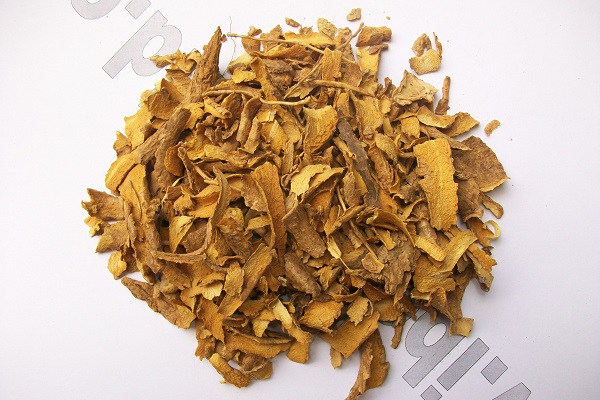
Ibogaine Root Bark: Complete Educational Guide
Introduction
Tabernanthe iboga is a perennial rainforest shrub native to Central and West Africa. Its root bark contains ibogaine, a naturally occurring psychoactive alkaloid that has been used for centuries in spiritual and ceremonial practices.
In modern times, ibogaine root bark has gained global attention for its potential role in addiction research and mental health exploration. However, it remains a powerful substance with significant risks and legal restrictions.
What Is Ibogaine Root Bark?
Ibogaine root bark is the inner bark of the iboga plant, where the highest concentration of active alkaloids is found.
It is traditionally used in:
- Spiritual ceremonies
- Initiation rites
- Cultural healing practices
In these contexts, the plant is consumed in natural form rather than as a purified compound.
Traditional and Cultural Significance
Iboga root bark plays a central role in the Bwiti spiritual tradition in parts of Central Africa. It is used in ceremonies for:
- Spiritual awakening
- Personal insight
- Community rituals
- Healing practices
The experience is often guided by trained practitioners within a structured ceremonial environment.
How Ibogaine Works in the Body
Ibogaine interacts with multiple systems in the brain, including:
- Serotonin pathways
- Dopamine systems
- NMDA receptors
This broad activity may influence:
- Mood regulation
- Memory processing
- Habit-forming behaviors
Because of its complexity, its effects are still being studied scientifically.
Effects of Ibogaine Root Bark
Psychological Effects
- Deep introspection
- Visionary or dream-like states
- Emotional processing
- Altered perception of time and self
Physical Effects
- Nausea and vomiting
- Reduced coordination
- Fatigue or physical heaviness
- Sensitivity to external stimuli
The experience is often described as intense and long-lasting.
Duration of Effects
Ibogaine experiences are significantly longer than many other psychoactive substances:
- Onset: 1–3 hours
- Peak: 12–24 hours
- Total duration: 24–36 hours or more
Residual effects may continue for several days.
Risks and Safety Concerns
Ibogaine root bark carries serious health risks, including:
- Heart complications (arrhythmias)
- Breathing difficulties
- Severe nausea and dehydration
- Risk of medical emergencies without supervision
Because of these risks, use outside controlled or supervised environments is considered dangerous.
Legal Status of Ibogaine Root Bark
The legal status varies globally:
- Restricted or illegal in some countries
- Unregulated in others
- Used in specialized treatment centers in certain regions
Anyone researching ibogaine should always verify local laws.
Modern Research and Interest
Ibogaine has attracted attention in scientific communities for its potential to:
- Interrupt addictive behaviors
- Reduce withdrawal symptoms (reported in some studies)
- Provide long-lasting psychological insights
However, research is still limited, and safety concerns remain a major focus.
FAQ About Ibogaine Root Bark
1. What is ibogaine root bark?
It is the inner bark of the iboga plant containing the psychoactive compound ibogaine.
2. What is it traditionally used for?
It is used in spiritual and ceremonial practices in Central Africa.
3. How long do the effects last?
Effects can last 24 hours or longer.
4. Is ibogaine safe?
It carries serious risks and should only be considered in medically supervised contexts where legal.
5. Is ibogaine legal?
Its legal status varies depending on the country.
Conclusion
Ibogaine root bark is a powerful natural substance with deep cultural roots and growing interest in modern research. While it may offer potential insights into addiction and mental health, it also presents significant risks and legal challenges.
Understanding its traditional background, effects, and safety concerns is essential for informed awareness.
Reviews
There are no reviews yet.