
Ibogaine HCl: Complete Educational Guide
Introduction
Ibogaine is a naturally occurring psychoactive compound derived from the root bark of the African shrub Tabernanthe iboga. In its purified form, ibogaine hydrochloride (ibogaine HCl) is used in research and in some countries within highly controlled treatment settings.
Ibogaine has gained attention for its potential role in addiction treatment, though it remains controversial and carries significant medical risks.
What Is Ibogaine HCl?
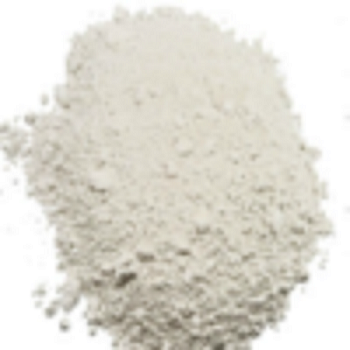
Ibogaine HCl is the salt form of ibogaine, created to improve stability and allow for precise dosing in controlled environments.
It is typically discussed in contexts such as:
- Experimental addiction treatment
- Research into substance dependence
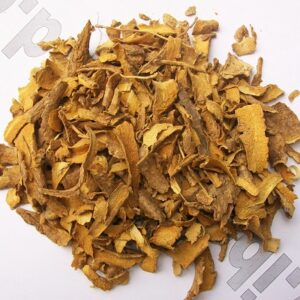
- Traditional ceremonial use (in different natural forms)
Because of its potency, ibogaine is not considered a casual or low-risk substance.
How Ibogaine Works in the Brain
Ibogaine interacts with multiple neurotransmitter systems, including:
- Serotonin
- Dopamine
- NMDA receptors
Unlike many substances that target a single pathway, ibogaine has a broad and complex mechanism, which may explain its reported effects on addiction and behavior.
It may:
- Interrupt addictive patterns
- Reduce withdrawal symptoms (in some reports)
- Alter neural pathways linked to habit formation
Potential Uses and Research
Ibogaine is most often studied for its potential in treating:
- Opioid dependence
- Substance use disorders
- Behavioral addictions
Some observational studies and anecdotal reports suggest it may reduce cravings and withdrawal symptoms. However, clinical evidence is still limited, and more research is needed.
Effects of Ibogaine HCl
Ibogaine produces intense and long-lasting psychoactive effects, which may include:
Psychological Effects
- Deep introspection
- Dream-like or visionary experiences
- Emotional processing
- Altered perception of time and reality
Physical Effects
- Nausea and vomiting
- Loss of coordination
- Fatigue
- Sensitivity to light and sound
The experience is often described as physically demanding and mentally intense.
Duration of Effects
Ibogaine has a much longer duration than many other psychoactive substances:
- Onset: 1–3 hours
- Peak effects: 12–24 hours
- Total experience: Up to 24–36 hours or longer
Residual effects may continue for days.
Risks and Safety Concerns
Ibogaine is associated with serious health risks, including:
- Heart complications (including arrhythmias)
- Breathing difficulties
- Severe nausea and dehydration
- Risk of fatal outcomes in unsafe conditions
Because of these risks, ibogaine treatment—where legal—is conducted under strict medical supervision.
Legal Status of Ibogaine HCl
The legal status of ibogaine varies widely:
- Illegal or controlled in some countries
- Unregulated or permitted in others
- Used in specialized clinics in certain regions
Anyone researching ibogaine should understand the laws in their jurisdiction.
Why Ibogaine Is Controversial
Ibogaine is both promising and controversial because:
Potential Benefits
- May interrupt addiction cycles
- Long-lasting psychological effects
- Unique mechanism compared to other treatments
Concerns
- Limited clinical trials
- Significant safety risks
- Lack of standardization in treatment settings
FAQ About Ibogaine HCl
1. What is ibogaine HCl?
It is the purified hydrochloride form of ibogaine used in research and controlled treatment settings.
2. What is ibogaine used for?
It is primarily studied for addiction treatment and behavioral health research.
3. Is ibogaine safe?
It carries serious risks and should only be used in medically supervised environments where legal.
4. How long does ibogaine last?
Effects can last 24 hours or longer.
5. Is ibogaine legal?
Its legal status varies widely depending on the country.
Conclusion
Ibogaine HCl is a powerful psychoactive compound with growing interest in addiction research. While it may offer potential benefits, it also carries significant risks and legal restrictions.
Understanding its effects, limitations, and safety concerns is essential for informed awareness.
Reviews
There are no reviews yet.