
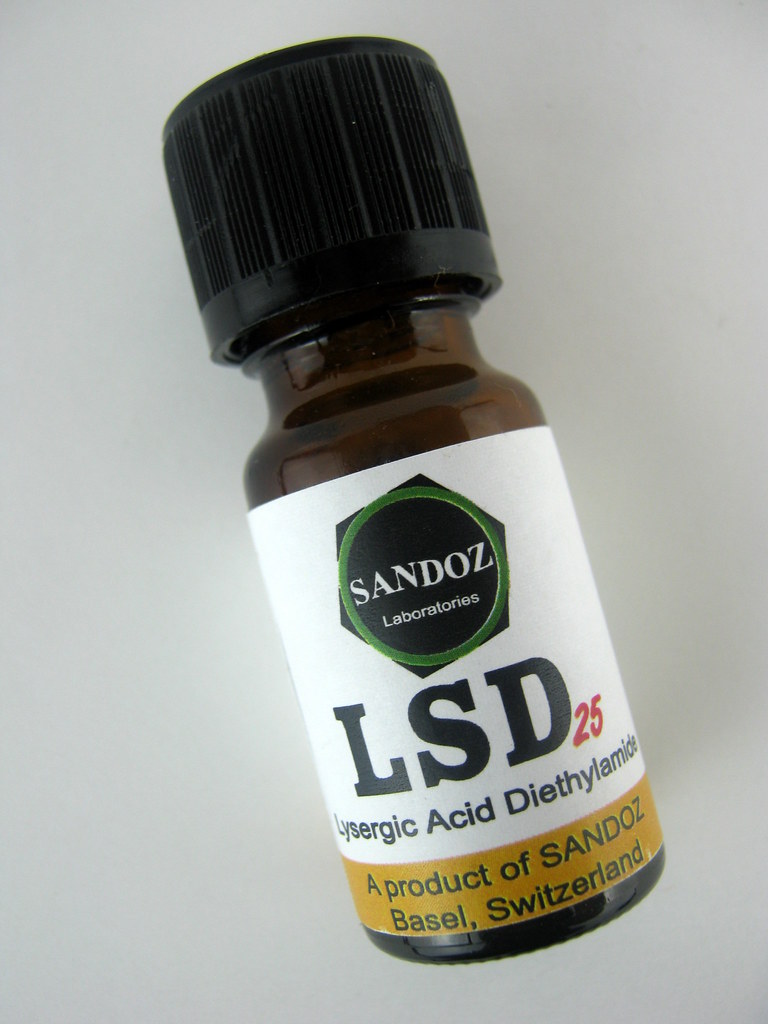
Liquid LSD (LSD Acid): Complete Educational Guide
Introduction
liquid LSD, also known as LSD acid, is a liquid form of lysergic acid diethylamide (LSD), a powerful psychedelic compound. It is one of several ways LSD may appear, alongside blotter paper and gel tabs.
LSD is known for producing intense alterations in perception, mood, and cognition. While it has been studied in scientific and psychiatric contexts, it remains a strictly controlled substance in most countries.
This guide is for educational and harm-awareness purposes only.
What Is Liquid LSD?
Liquid LSD is LSD dissolved in a liquid solution, often water or alcohol-based mixtures. In this form, the compound is highly concentrated and can be extremely potent even in very small amounts.
Historically, liquid LSD has been used for:
- Research purposes
- Controlled laboratory dosing
- Conversion into other forms like blotter paper or gel tabs
Because it is not pre-measured like blotter squares, dosage consistency can vary significantly without professional handling.
How LSD Works in the Brain
LSD interacts with the brain’s serotonin system, specifically the 5-HT2A receptors. Serotonin plays a key role in regulating mood, perception, and cognition.
When LSD binds to these receptors, it temporarily changes how different regions of the brain communicate. This can lead to:
- Altered sensory perception
- Changes in thought patterns
- Distorted sense of time
- Heightened emotional and sensory awareness
These effects are temporary but can feel extremely intense.
Effects of Liquid LSD
The effects of LSD do not depend on whether it is liquid, gel, or paper form—the active compound is the same.
Common effects include:
Visual Effects
- Enhanced colors and brightness
- Visual patterns or distortions
- Moving or “breathing” surfaces
Mental Effects
- Deep introspection
- Altered thinking patterns
- Increased creativity or abstract thought
Emotional Effects
- Euphoria or emotional sensitivity
- Anxiety or confusion in some cases
- Strong emotional amplification
The experience is often described as highly subjective and can vary widely between individuals.
Duration of Liquid LSD
The timeline for LSD is typically long-lasting compared to many other psychedelics:
- Onset: 30–90 minutes
- Peak: 2–6 hours
- Total duration: 8–12 hours or longer
Some residual psychological effects may continue after the main experience fades.
Risks and Safety Considerations
LSD carries significant psychological risks even though it is not considered physically addictive. Potential risks include:
- Panic or anxiety reactions
- Confusion or disorientation
- Hallucinatory distress (“bad trips”)
- Impaired judgment and risky behavior
- Possible triggering of underlying mental health conditions
Set (mindset) and setting (environment) are widely recognized as major factors influencing experiences.
Legal Status of Liquid LSD
LSD is classified as a controlled substance in most countries worldwide. This means possession, distribution, or manufacture is illegal in many regions.
Penalties vary depending on jurisdiction, but legal consequences can be severe.
Why Liquid LSD Is Studied
Despite legal restrictions, LSD has been studied in scientific and medical research for its potential effects on:
- Perception and cognition
- Mood and emotional processing
- Experimental psychotherapy (under controlled conditions)
All legitimate research is conducted in regulated clinical environments.
FAQ About Liquid LSD
1. What is liquid LSD?
It is LSD dissolved in a liquid solution for storage or research use.
2. How long does LSD last?
Effects typically last 8 to 12 hours.
3. Is liquid LSD stronger than blotter?
Potency depends on dosage, not form, but liquid LSD can be more concentrated and harder to measure accurately.
4. Is LSD safe?
It carries psychological risks and should be approached cautiously in any context.
5. Is LSD legal?
In most countries, LSD is illegal and classified as a controlled substance.
Conclusion
Liquid LSD is a potent form of a well-known psychedelic compound. While it has been studied for scientific purposes, it remains heavily regulated due to its powerful psychological effects and legal restrictions.
Understanding its properties, risks, and legal status is important for education and awareness.


Reviews
There are no reviews yet.