
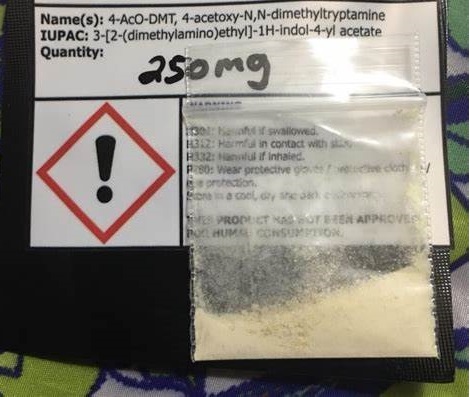
4-AcO-DMT: Overview, Effects, Research & FAQs
What is 4-AcO-DMT?
4-AcO-DMT (4-Acetoxy-N,N-dimethyltryptamine) is a synthetic tryptamine compound often discussed in research and scientific communities. It is structurally related to naturally occurring compounds found in certain mushroom species and is of interest in studies involving neurochemistry and altered states of perception.
Chemical Background
4-AcO-DMT is sometimes described as a potential prodrug to psilocin, meaning it may be metabolized into psilocin in the body. Due to this relationship, it has become a topic of interest in:
- Consciousness research
- Experimental psychology
- Neurochemical studies
Reported Effects
General discussions and observational reports often describe:
- Altered perception and sensory changes
- Visual and cognitive shifts
- Increased introspection
- Changes in mood and awareness
Effects can vary significantly depending on individual factors and conditions.
Duration & Onset
Typical discussions suggest:
- Onset: 20–60 minutes
- Duration: Several hours
These timelines are not fixed and may vary.
Safety & Considerations
Research on 4-AcO-DMT is still limited. Important considerations include:
- Effects vary between individuals
- Mental state and environment play a role
- Responsible and informed awareness is essential
- Legal status differs by region
Legal Status
The legal classification of DMT varies worldwide. In many countries, it may fall under controlled substance regulations. Always check local laws before engaging with any related materials.
FAQ – 4-AcO-DMT
What is DMT?
It is a synthetic compound belonging to the tryptamine family, often discussed in research contexts.
How long does DMT last?
Reported durations vary, but discussions commonly mention several hours depending on conditions.
Is DMT similar to psilocybin?
It is chemically related and may convert into psilocin, though research is ongoing.
Is DMT natural?
No, it is a synthetic compound.
Is 4-AcO-DMT legal?
Its legality depends on the country or region. Always verify local regulations.
What factors influence its effects?
Factors include:
- Individual tolerance
- Environment
- Mental state
- Amount involved
Reviews
There are no reviews yet.